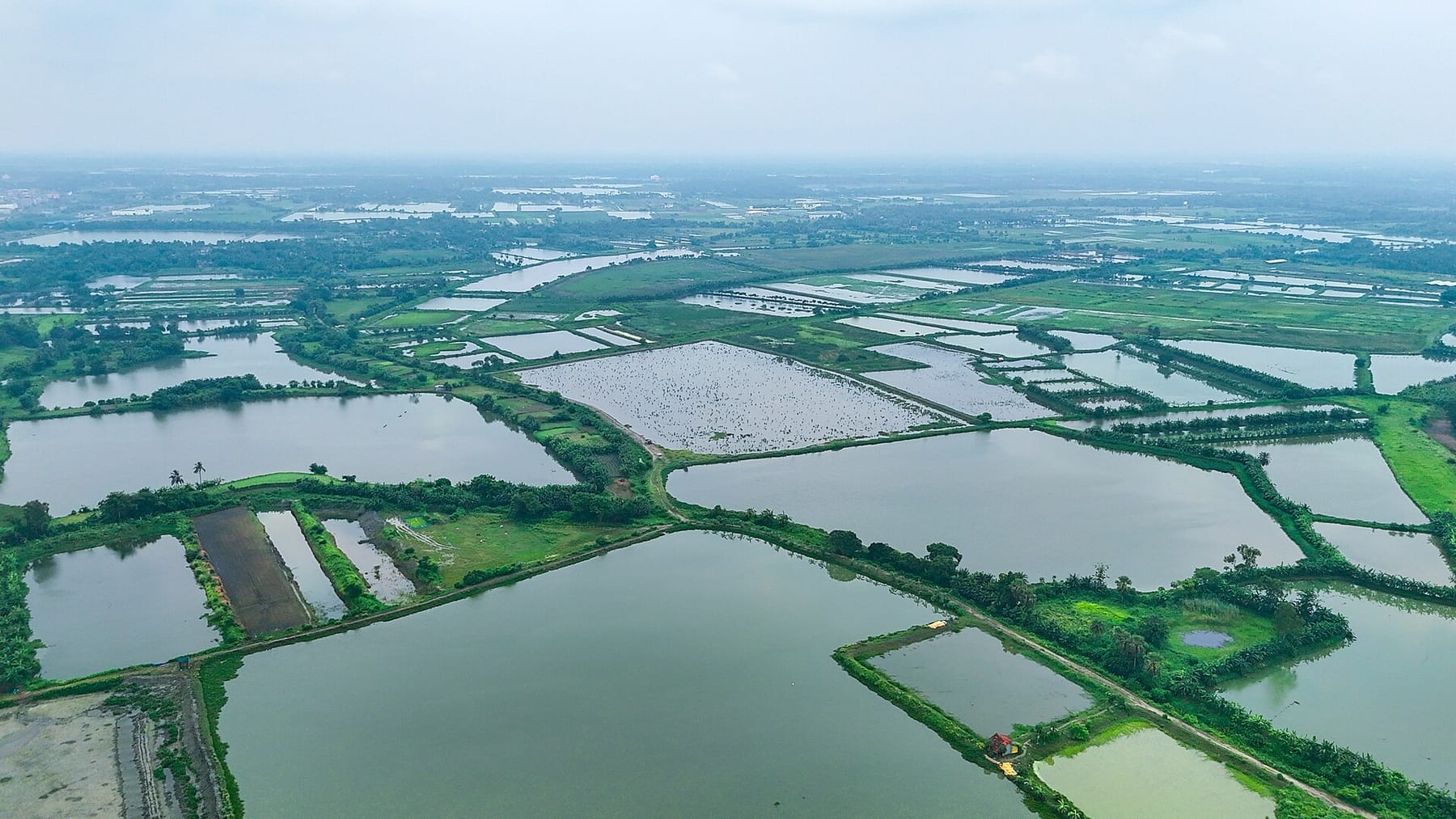
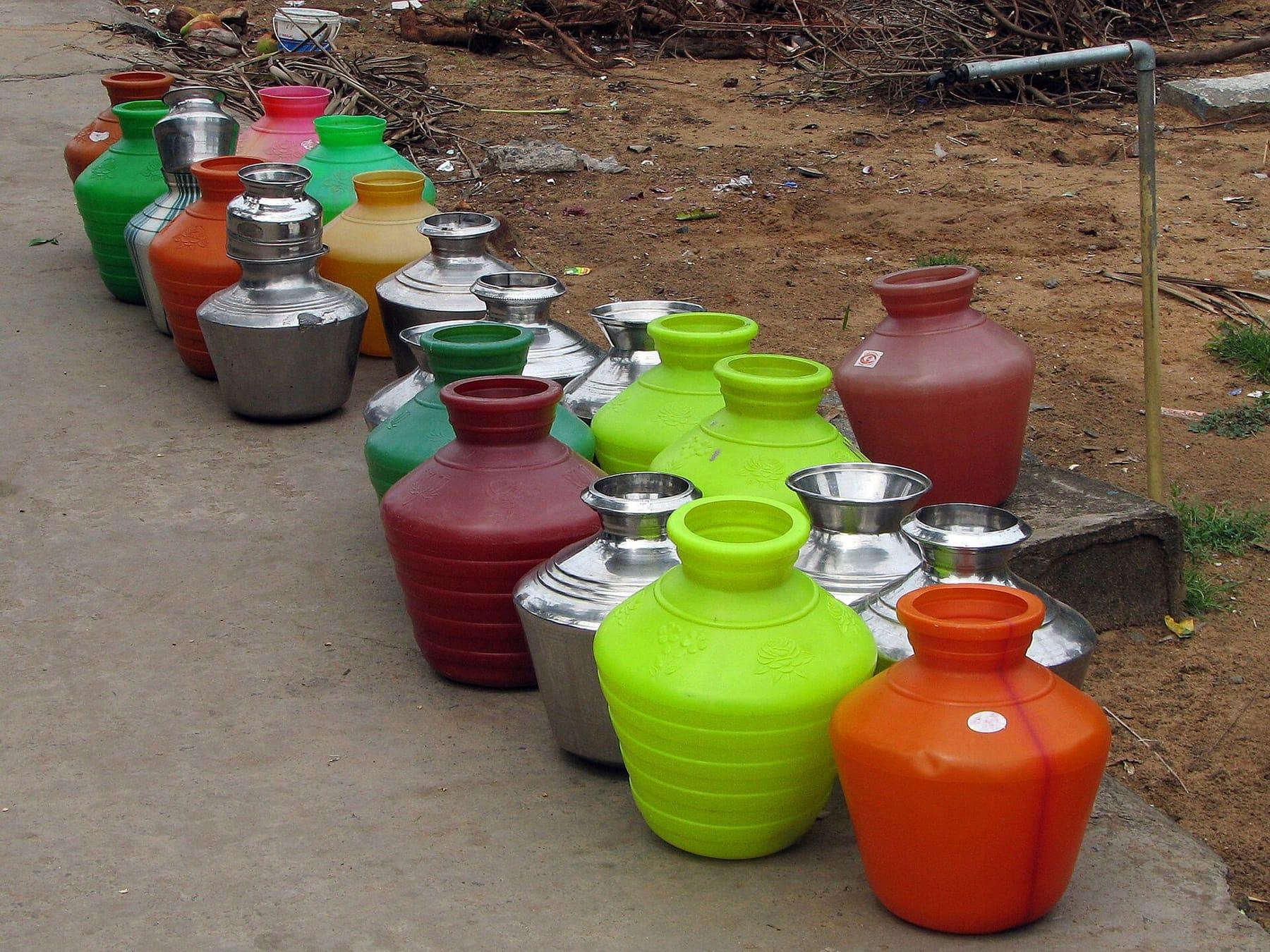
Aerial view of a patchwork of water bodies and green fields

[ Bangalore · Karnataka ][ Public Charitable Trust ][ Est. 2024 ]

Revivingwater,securing life.

Every borewell revived is a family secured. We rejuvenate failed water sources, recharge aquifers, and build water-literate communities across drought-prone Karnataka.

Illustrative · Imghosh anjan / CC BY 4.0
5-year targets
  • 10,000borewells to revive
  • 100lakes, tanks & kalyanis
  • 5,000houses & schools harvesting rain
  • 100schools reached
  • 200Women Jal Soldiers
  • 1 lakhtrees planted
01The water crisis

India’s groundwateris disappearing.

Millions of families depend on borewells that go dry every summer. The solution isn’t to drill deeper — it’s to restore what we have.
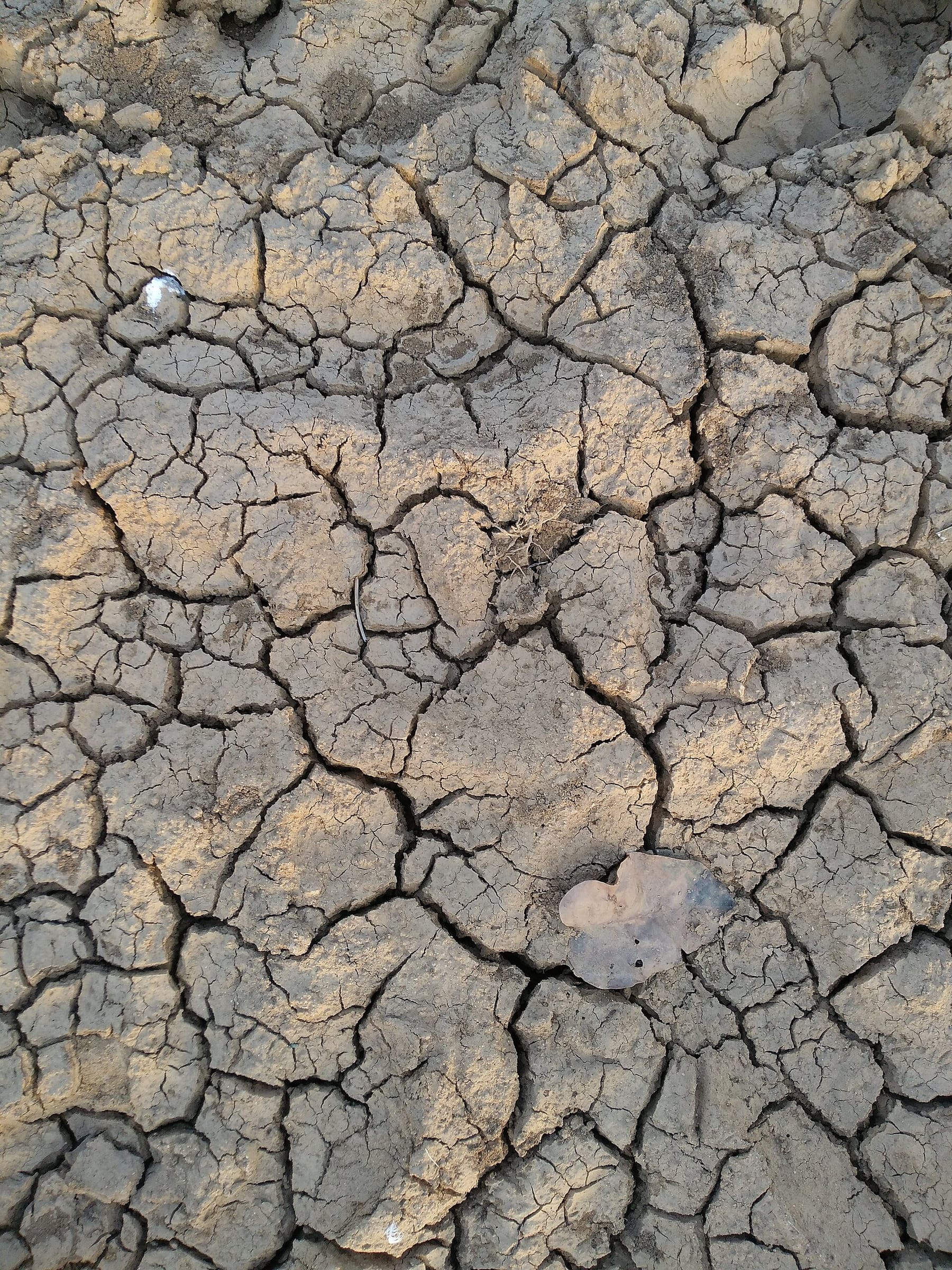
Deeply cracked, dry soil
Illustrative · Rk4446558 / CC BY-SA 4.0
Statistic 01
70%

of borewells fail within three years.
cost of one new borewell
₹5L
cost of one new borewell
vs ₹24,000 to revive an existing one
failure rate in Kolar district
>65%
failure rate in Kolar district
Declared Over-Exploited Zone by CGWB
fluoride in many Kolar villages
4.5 ppm
fluoride in many Kolar villages
Safe limit 1.5 ppm — causing fluorosis
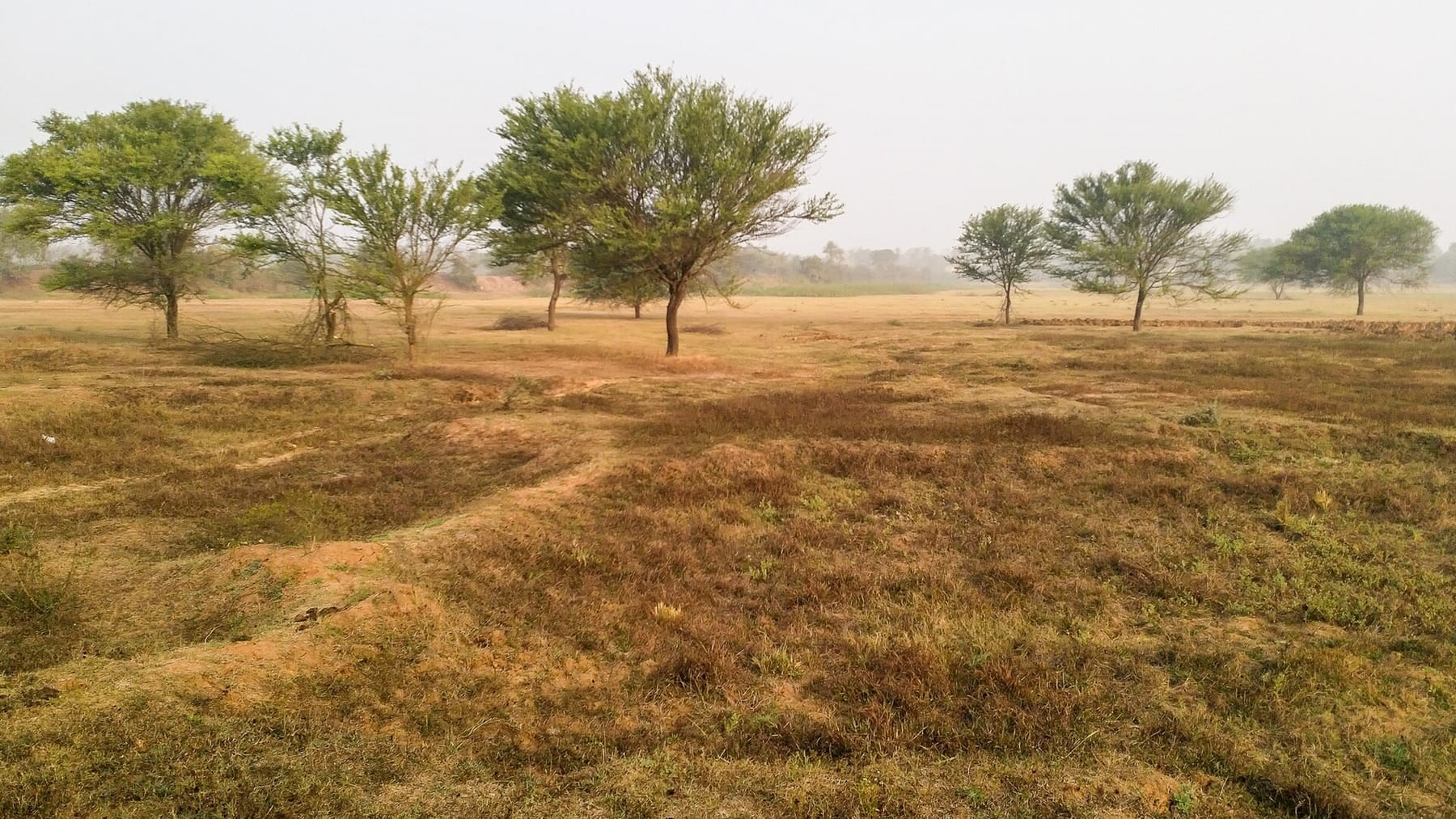
Narasapura Kere, a dried-out tank bed with scattered trees, Kolar district
01.1Focus district

Kolar,Karnataka

Illustrative · Mike Prince / CC BY 2.0 · Narasapura Kere, Kolar district

Kolar sits on hard granite with no sand aquifer. Water exists only in deep fractures.

Silt blocks those fractures permanently — a failed borewell here cannot fix itself.

700–850 mm of annual rainfall falls in just 60–70 days, rushing away as runoff instead of recharging the deep fractures that feed borewells. We build the pathways that change that.

Water table depth
400–1200 ft
Borewell failure rate
>65%
Annual rainfall
700–850 mm
Recharge window
5 months
Cross-section of Kolar geology: thin soil and weathered rock over hard granite. Water exists only in fractures between 400 and 1200 feet, which silt seals around a failed borewell. Monsoon rain runs off the surface.RunoffWeathered rockHard granite · no sand aquiferFracture zone · 400–1200 ftSilt sealsfractures020040060080010001200Depth (ft)
Fig. 1 — Schematic, not to scale horizontally
02Who we are
We don’t dignew borewells.We breathe lifeback into failed ones.
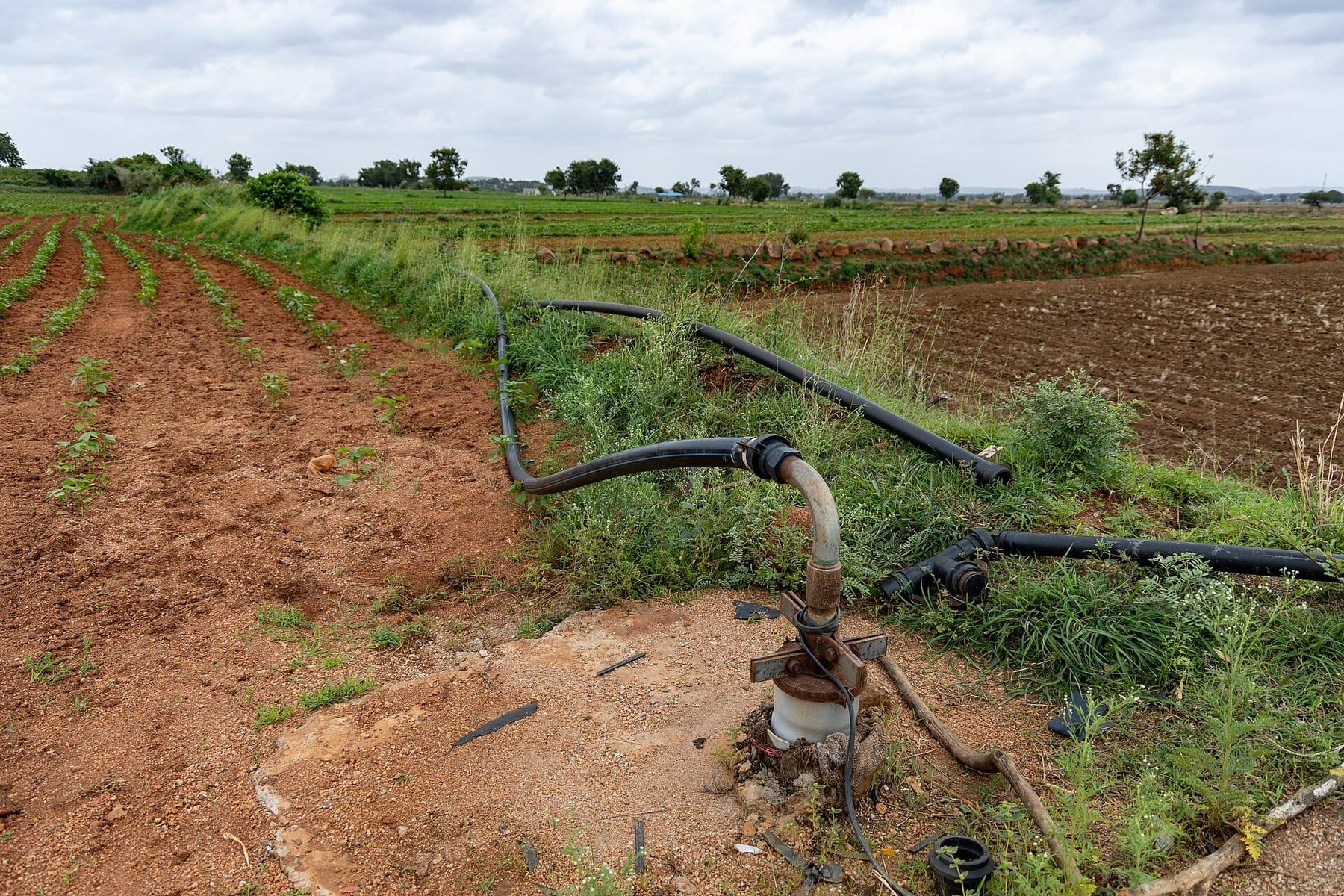
Borewell pump head and irrigation pipes in a cotton field, Raichur
Fig. 2 — The asset we reviveIllustrative · Vraj Acharya, WELL Labs / CC BY-SA 4.0

Jal Punarjeevan is a Bangalore-based non-profit that uses modern hydrology and community participation to revive traditional water systems — borewells, lakes, tanks, and kalyanis — in drought-prone regions of Karnataka and beyond.

We breathe life back into failed borewells — at a fraction of the cost — while building the groundwater recharge systems that make them last for generations.

Vision
Every village water-secure, every child water-aware.
Mission
Revive dead water sources and make every household water-literate.

Our five pillars

What drives every action
  1. 01Revive dead water sources
  2. 02Community-owned water governance
  3. 03Water literacy in schools
  4. 04Plant 1 lakh trees
  5. 05Train 200 women Jal Soldiers
  • Public Charitable Trust
  • 12A
  • 80G
  • CSR-1
  • FCRA
  • NITI Aayog Darpan
03Our programs

Five programs. One water cycle.

Each program targets a different dimension of the water crisis — from underground aquifers to school classrooms.

  • जल पुनर्जन्म · Borewell & lake revival

    Desilt, clean, and structurally reinforce failed borewells and lakes. Restore inlet-outlet channels and bund strength — giving water bodies a second life.
    Key activities
    • Desilting & compressor flushing
    • Bund strengthening
    • Inlet-outlet cleaning
    • Deweeding
04Flagship program

BorewellPunarjeevanAbhiyan

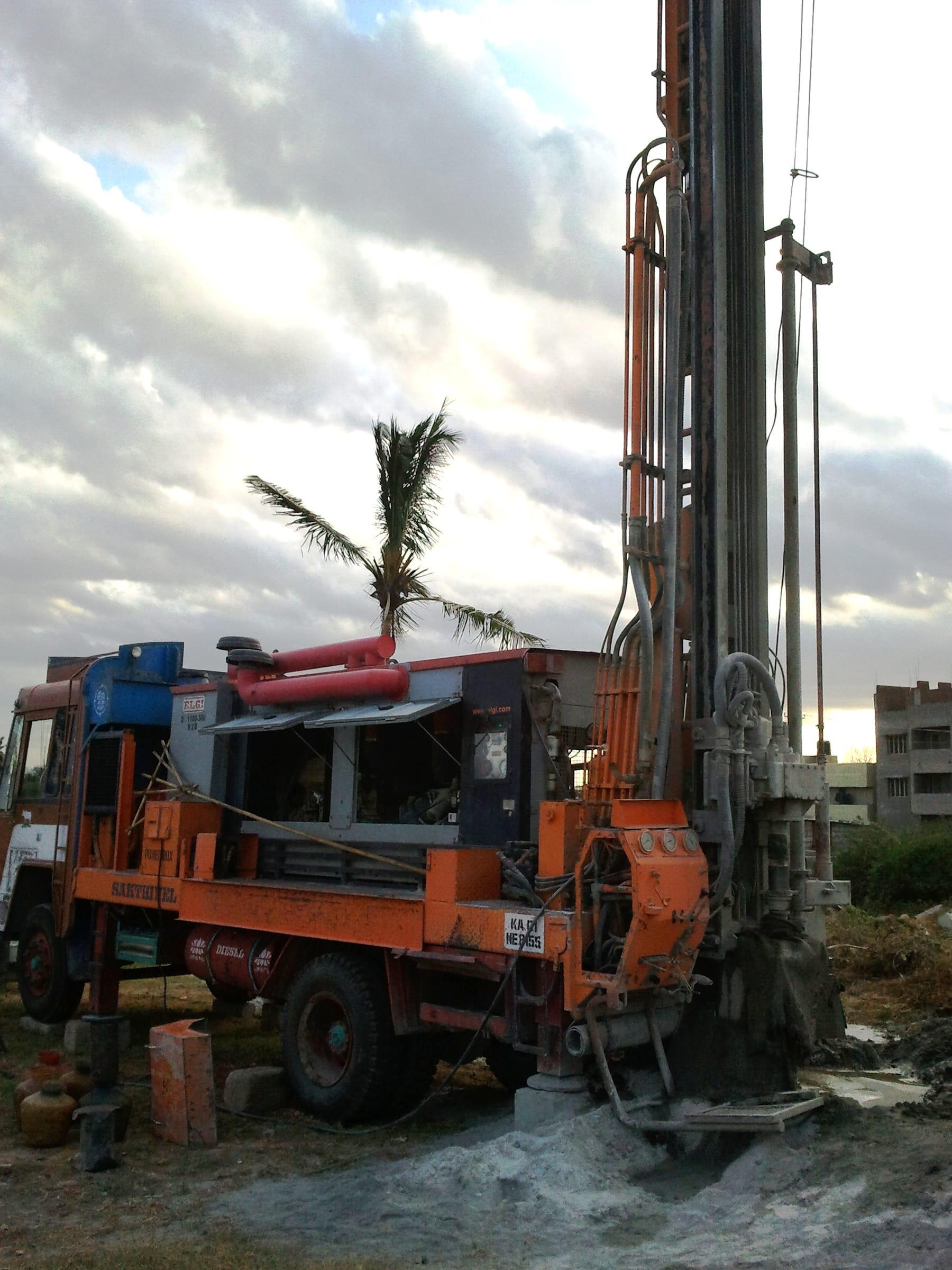
A truck-mounted rig drilling a new borewell
Illustrative · Amrith Raj / CC BY-SA 3.0

Don’t dig new.
Revive old.

Instead of spending lakhs on a new borewell that may fail again, we flush the old one, build a recharge structure, and give it a second life — at just ₹24,000. The water comes back. The family is secured for the next ten years.

Cost per borewell · drawn to scale

Scale: 0 — ₹5 lakh
New borewell — may fail again within 3 years₹1.5–5L
Borewell rejuvenation Our way₹24K

1 family water-secure for 10 years · one-sixth to one-twentieth the cost

Where ₹24,000 goes — every rupee accounted for.

Revival cost breakdownPer borewell
Air compressor flushing
₹4,000
Filter materials (3 layers)
₹12,000
Labour
₹6,000
Documentation & board
₹2,000
Total
₹24,000

Three proven recharge models

Select a model
Fig. 3A — Filter Pit RechargeSection view
Granite · fracturesFirst-rain separatorSand20 mm jelly40 mm jellyPVC line10 × 10 × 10 ft pit
Cost
₹18K–25K
Built for
Village / School
Specification
10×10×10 ft pit with 3 filter layers: 40mm jelly, 20mm jelly, sand. PVC connection to borewell casing with first-rain separator.
05How it works

From monsoon cloud to deep fracture — in five moves.

01 Rain02 Filter03 Shaft04 Fractures · 400–1200 ft05 Waterlevel ↑
  1. Step 01

    Rainwater collection

    700–850 mm of rain falls in just 60–70 days. Instead of rushing away as runoff, it is channelled toward the borewell — the first, dirtiest flush diverted by a first-rain separator.

  2. Step 02

    Filtration

    Three layers — sand, 20 mm jelly, 40 mm jelly — strip out silt before water goes underground. Silt is what sealed the borewell in the first place.

  3. Step 03

    Recharge shaft

    The blocked bore is flushed with an air compressor at 600–800 psi for 2–3 hours. A PVC connection then carries filtered water straight into the borewell casing.

  4. Step 04

    Underground fractures

    In hard granite, water lives only in fractures 400–1200 ft deep. Clean water re-enters them, recharging the rock around the bore.

  5. Step 05

    Improved groundwater

    Measured, never assumed: water level, yield test in litres per minute, TDS and fluoride — at Day 30, Day 90 and Day 180.
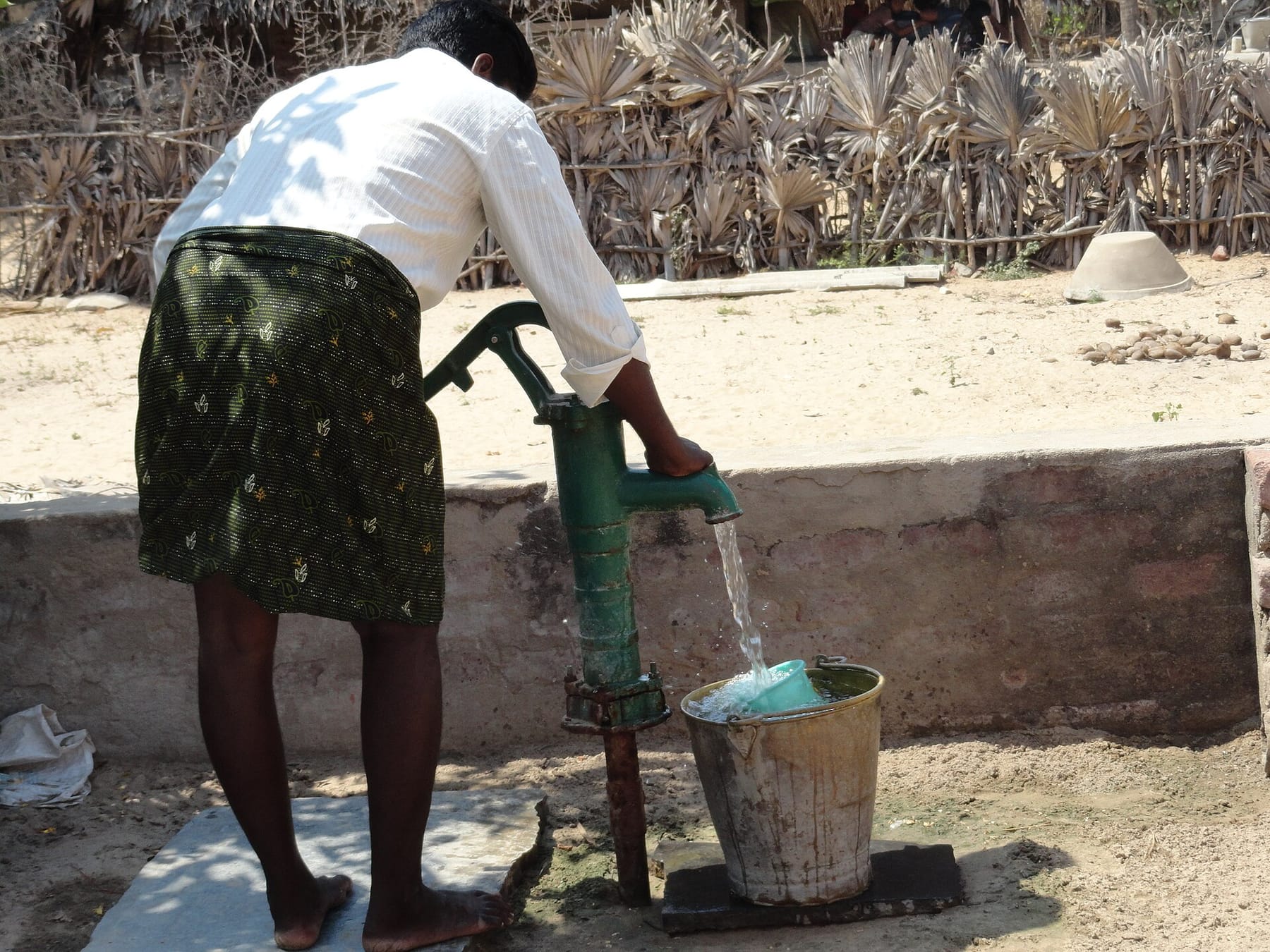
Water flowing from a hand pump into a bucket
Illustrative · Bhaskaranaidu / Public domain

The water comes back. The family is secured for the next ten years.

SOP: 1 borewell revived in 8 days.

Scroll → Day 0 to Day 180
  1. Day
    0

    Application + Gram Panchayat NOC obtained

  2. Day
    1

    GPS survey, water level measurement, photo documentation

  3. Day
    2

    Air compressor flushing at 600–800 psi for 2–3 hours

  4. Day
    3–7

    Build recharge pit with 3-layer filter system

  5. Day
    8

    Handover, farmer training, board installation (ID: KL/BW/001)

  6. Day
    30

    First monitoring visit, water level measurement, yield test

  7. Day
    90

    Post-monsoon check, before/after comparison report

  8. Day
    180

    Annual review, CSR impact documentation

Build · 8 days Monitoring

06Impact · 5-year goals

Targets,not trophies.

We are in Phase 1 — pilot and baseline survey. The numbers below are five-year commitments, not results. No impact claim without documented evidence.
Target 01
10,000
Borewells rejuvenated
Across drought-prone districts
Target 02
100
Lakes, tanks & kalyanis
Desilted and restored to life
Target 03
5,000
Houses & schools
With rainwater harvesting systems
Target 04
100
Schools reached
Jal Paathshala water literacy
Target 05
200
Women Jal Soldiers
Community water guardians trained
Target 06
1 lakh
Trees planted
Around water bodies and recharge zones
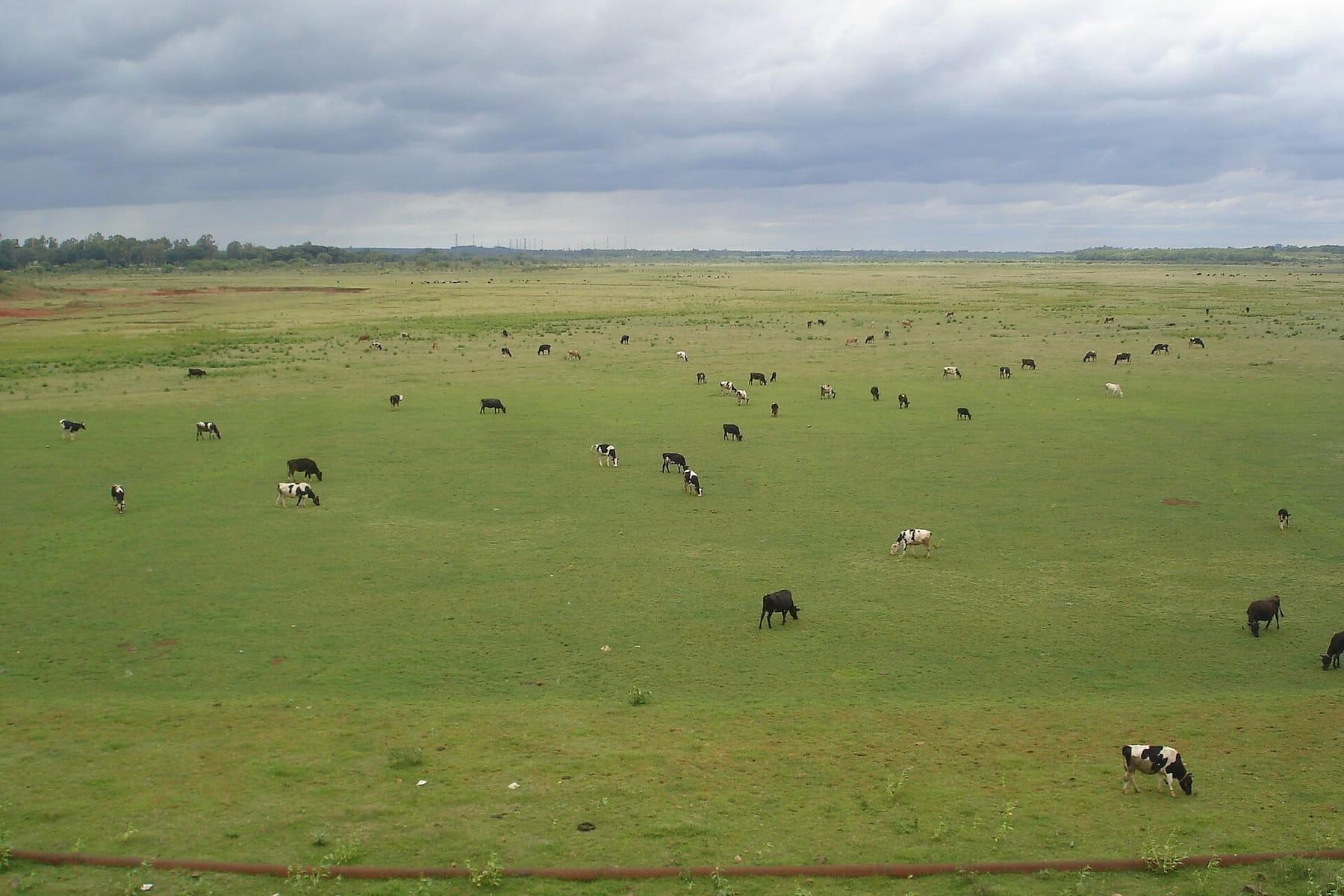
Hesaraghatta lake bed, dry and grazed by cattle
A lake that used to be.Illustrative · Planemad / CC BY-SA 4.0

Execution roadmap

5-year plan
  1. Phase 1 · 0–6 months
    Pilot & Survey

    Baseline survey in 5 villages; GPS mapping; Gram Sabha approval; NGO registration.

    Active now
  2. Phase 2 · 6–12 months
    First Revivals

    Pilot: 1 Taluk and 10 Borewells. Educate 10 schools. CSR outreach begins.

  3. Phase 3 · 2–3 years
    Scale Up

    Scale to 50 villages; CSR tie-ups; MGNREGA convergence; 500+ borewells.

  4. Phase 4 · 4–5 years
    10,000 Target

    Toolkit replication across other districts. 10,000 borewells milestone.

How we measure impact.

Every borewell gets a unique ID (e.g. KL/BW/001), a geo-tagged before/after photo file, water level measurements, TDS and fluoride readings, and a yield test in litres per minute.

  • Water level rise (ft)
  • Storage capacity (lakh litres)
  • Wells recharged (#)
  • Rainfall harvested (litres)
  • Students trained (#)
  • Social audit by Gram Sabha
Borewell Health Card
Record format
Specimen
Borewell ID
— — —KL/BW/001 format
GPS location
— — —Geo-tagged
Water level
— — —ft · before / after
Yield test
— — —litres per minute
TDS
— — —ppm
Fluoride
— — —ppm · safe < 1.5
Photo file
— — —Geo-tagged before / after
Social audit
— — —Gram Sabha

Fields shown blank by design — no impact claim without documented evidence.

07Community & people

Water iscommunity-owned.

No borewell is revived without the people around it — the farmer who owns it, the panchayat that approves it, the women and students who keep the water knowledge alive.
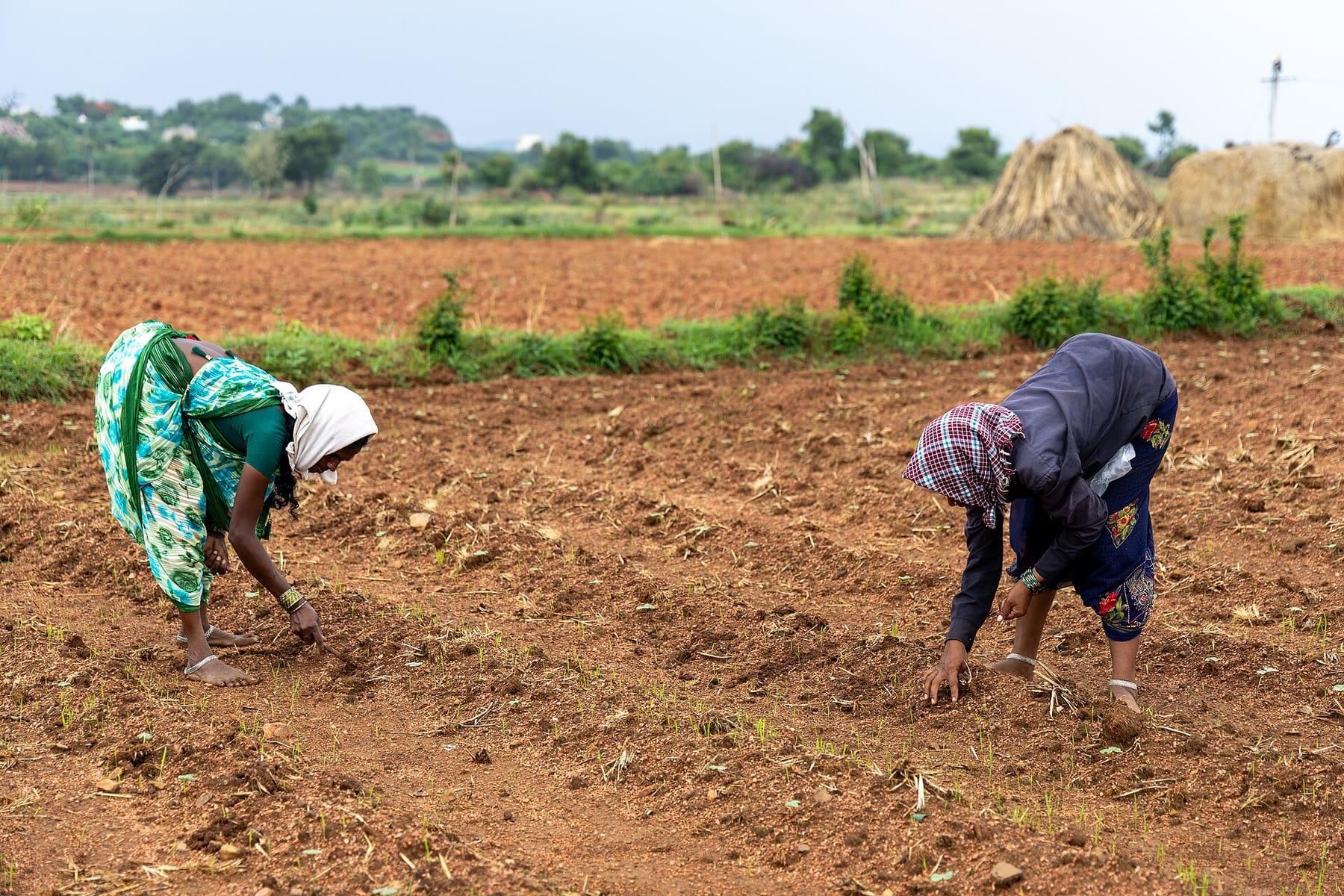
Two women farmers sowing seeds by hand in a red-soil field, Karnataka
AFarmersOwners of the borewells we revive. Trained at handover, and partners in farm pond recharge with MGNREGA convergence.Illustrative · Vraj Acharya, WELL Labs / CC BY-SA 4.0
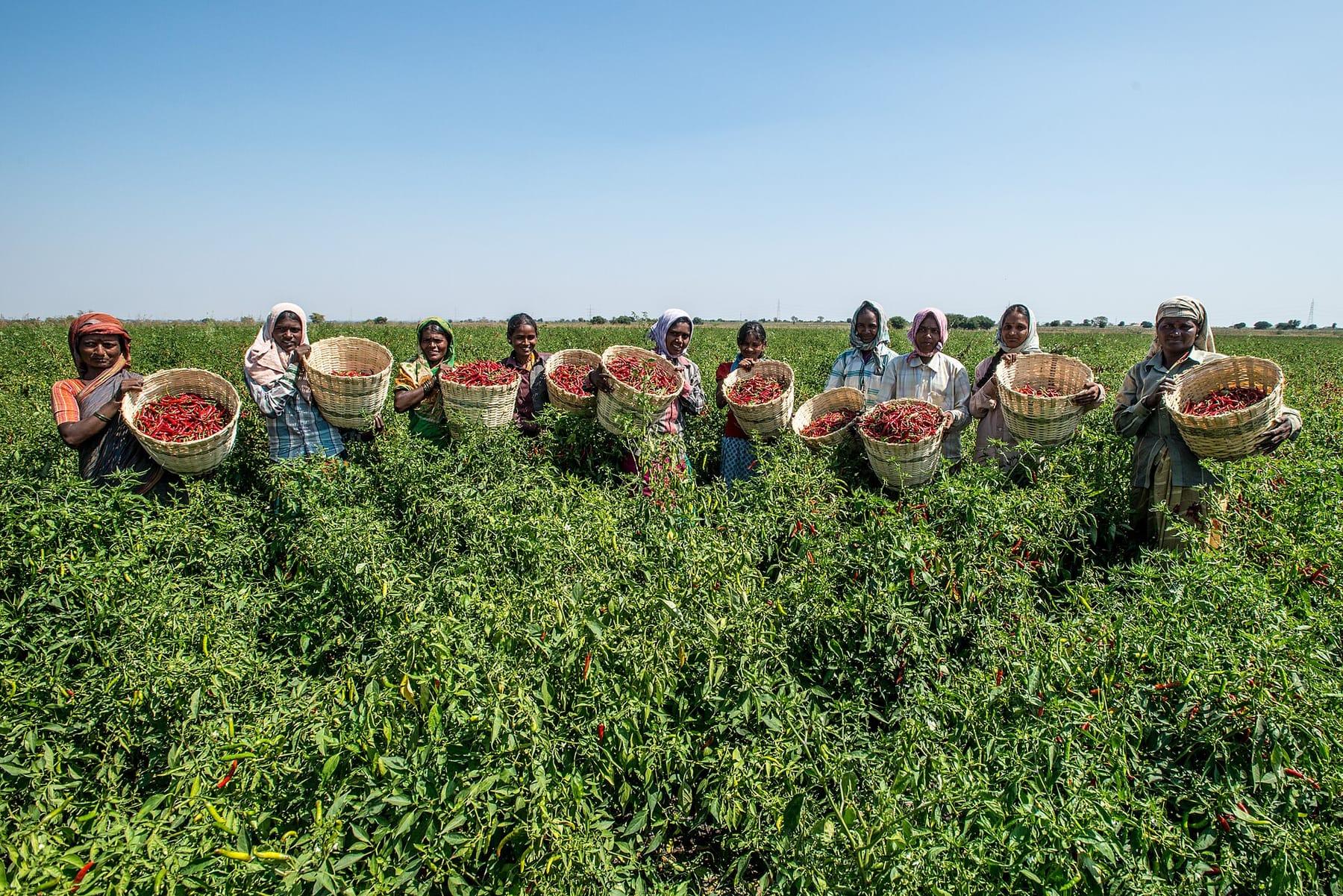
A group of women farmers holding baskets of chillies in a field, Karnataka
BWomen Jal Soldiers200 community water guardians to be trained, and women’s SHGs making low-cost rainwater filters.Illustrative · Asian Development Bank / CC BY 2.0
C · Schools
Jal Paathshala

Water literacy in government schools — Youth Jal Clubs, Jal Jathas, essay and drawing competitions. A generation that values every drop.
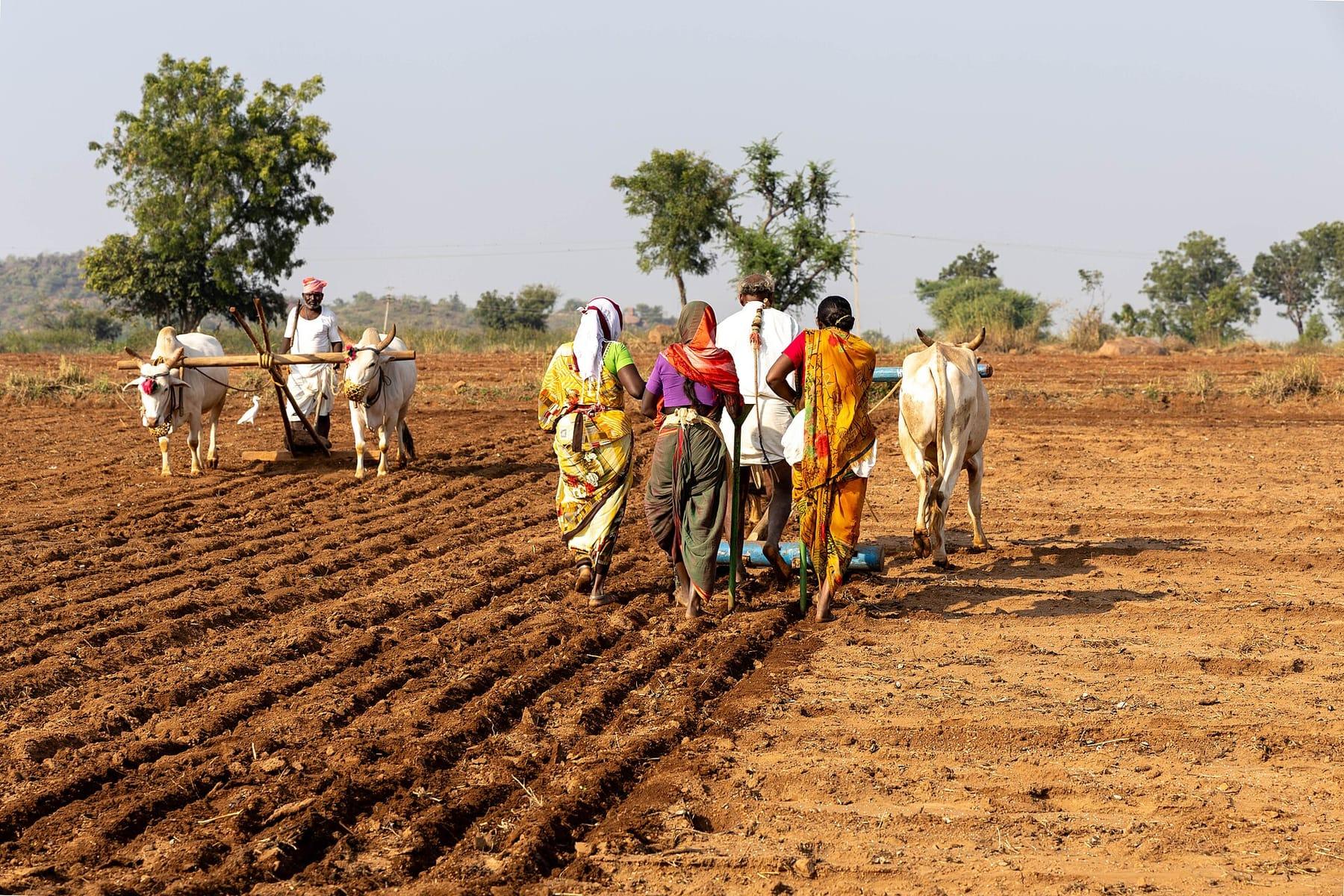
Farmers ploughing and sowing with bullocks, Raichur
DGram Panchayat & Gram SabhaA Gram Panchayat NOC before any work begins; a social audit by the Gram Sabha after. Village water committees own the outcome.Illustrative · Nanditha Gogate, WELL Labs / CC BY-SA 4.0
E · Field teams & volunteers

Modern hydrology, on foot.

GPS surveys, compressor flushing, yield tests and fluoride readings — with volunteers and interns alongside.

Volunteer with us
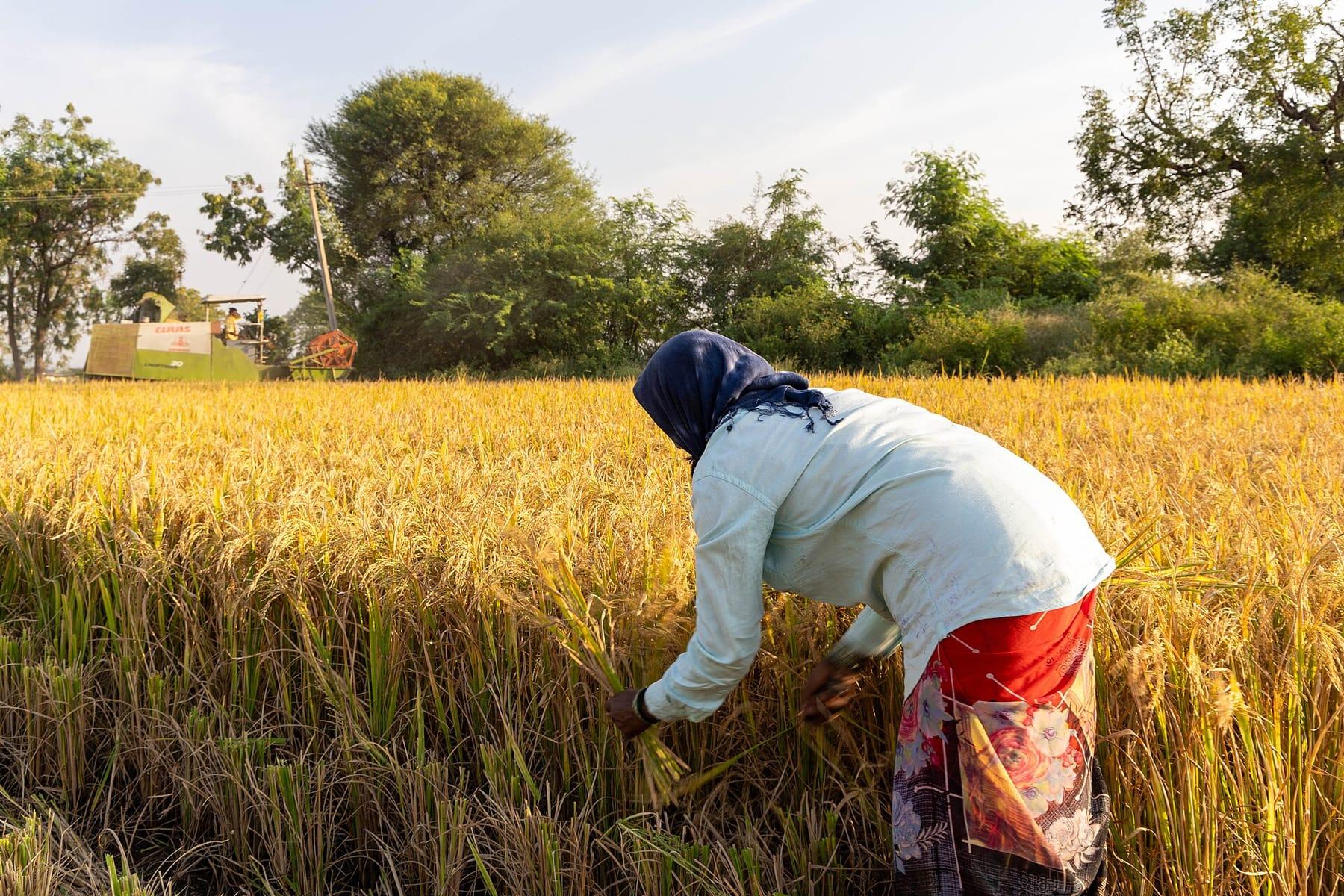
A farmer harvesting rice by hand, Raichur
FLivelihoodsJal Swavalamban: when the borewell holds water through summer, water security becomes economic security for rural households.Illustrative · Nanditha Gogate, WELL Labs / CC BY-SA 4.0
09Get involved

Join therevival.

Partner with Jal Punarjeevan

Whether you want to donate, volunteer, partner as a CSR, or collaborate for research — we'd love to hear from you.

I'm reaching out for